Character construction
Pattern, pile direction, filling, embroidery and structural zones protect the approved silhouette.
Cross-factory smart plush
One team coordinates the character body, plush pattern, acoustic path, PCB, firmware, sensors, battery access, assembly, testing and packaging, so the toy feels right and works reliably.
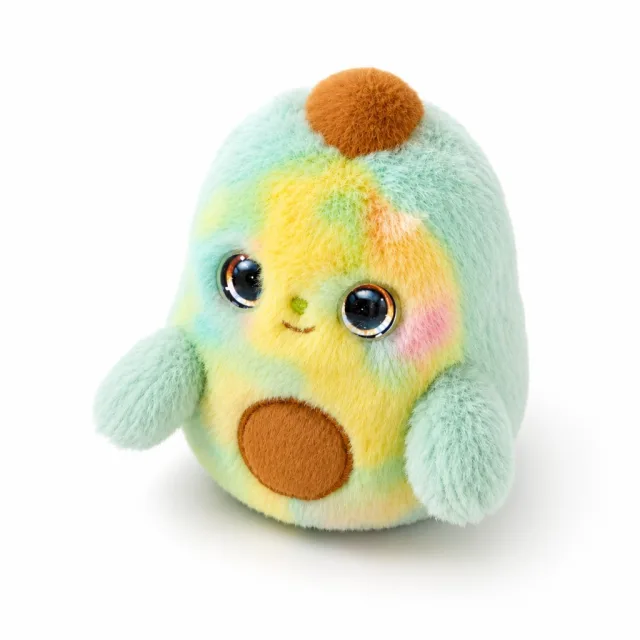
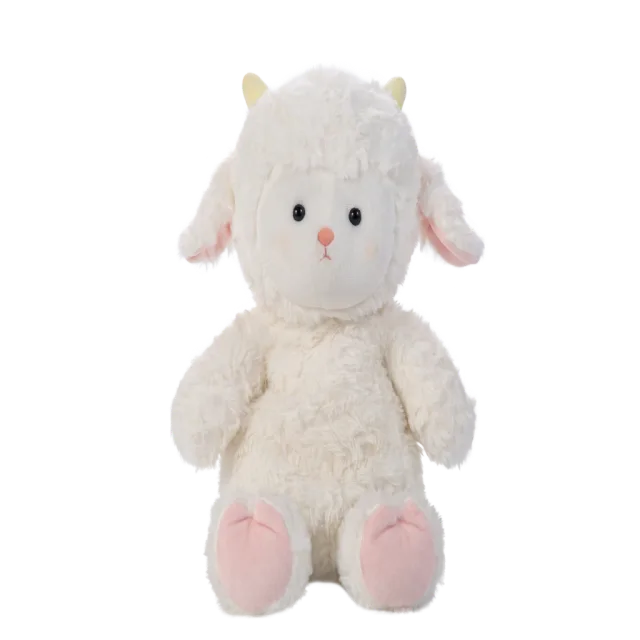
Plush pattern meets electronics layout
A simpler start
A sketch, character, specification or reference product is enough for an initial feasibility review.
Clear portfolio role
Integrate electronics, audio and interactive behavior inside a manufacturable plush body.
Conventional plush without electronics belongs to Custom Plush Studio; standalone PCBA work belongs to Toy Electronics.
What this team solves
Every capability below connects to the same brief, approvals and target launch.
Pattern, pile direction, filling, embroidery and structural zones protect the approved silhouette.
Speaker, microphone and openings are placed to reduce muffling and feedback inside soft materials.
PCB, firmware, connectors, sensors, lights and power are sized for assembly and service access.
Squeeze, touch, motion, voice and light responses are mapped to clear, testable behaviors.
Battery security, removable modules, seams, labels and cleaning assumptions are designed together.
Plush and electronics checks meet at final assembly, functional test, packaging and inspection.
Buyer advantage
A plush vendor can preserve the character while breaking acoustics. An electronics vendor can optimize the PCB while ignoring seams, access and hand feel. The integration plan makes both factories answer to one approved product.
Build My Smart PlushApproval-led process
The next stage starts only when the current product decision is documented well enough to protect cost, quality and schedule.
Align the visual reference with the intended interaction and age group.
Test module size, acoustics, access, sensors and structure in an early body.
Approve appearance, hand feel, interaction and packaging as one finished product.
Verify sewing tolerance, connector routing, module installation and functional checks.
Control incoming materials, in-process assembly, function, pack-out and shipment.
Interactive buyer tool
Set the size, power, washability and interaction zones, then add your details. Send once and we reply with the placement plan and the integration questions for the first prototype.
Set the plush and electronics assumptions, then add your details. One send returns the placement plan and reaches the engineers who own both sides of the build.
Working recommendation
One send returns this placement plan and reaches the engineers who own both sides of the build. It is a planning aid, not a final engineering, cost or compliance decision.
Representative project patterns
These anonymized patterns demonstrate scope and process. Customer names and measured results require publication permission before indexing.
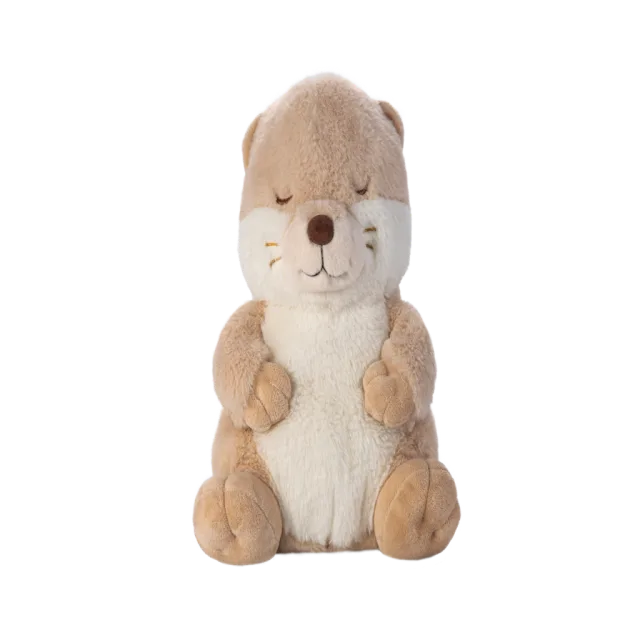
Soft fox form coordinated with voice, controls and service access.
Review the decision path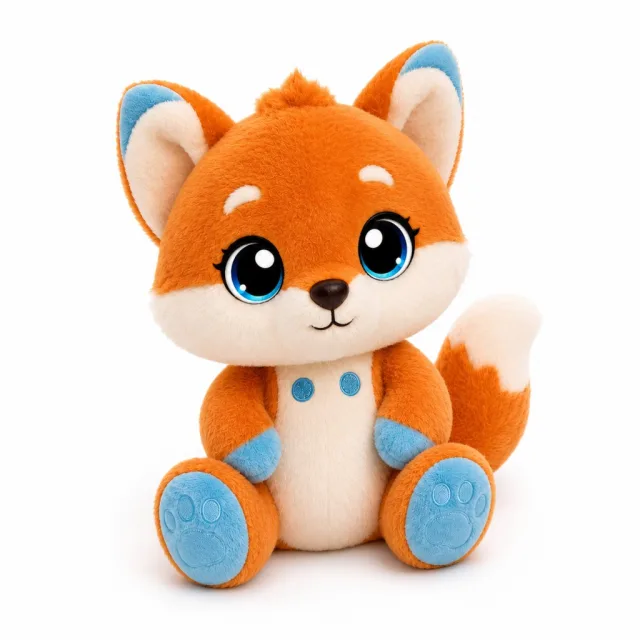
Illuminated features, module structure and plush finishing approved together.
Review the decision path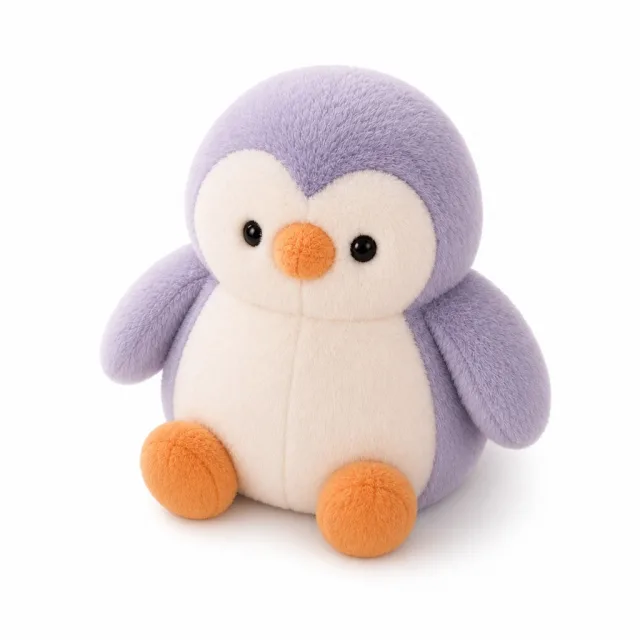
Character, audio response and battery approach prepared for repeatable assembly.
Review the decision pathIndexability gate
Cross-factory claims should be supported by placement drawings, acoustic tests, internal assembly photography and a signed golden sample.
Prepare a better brief
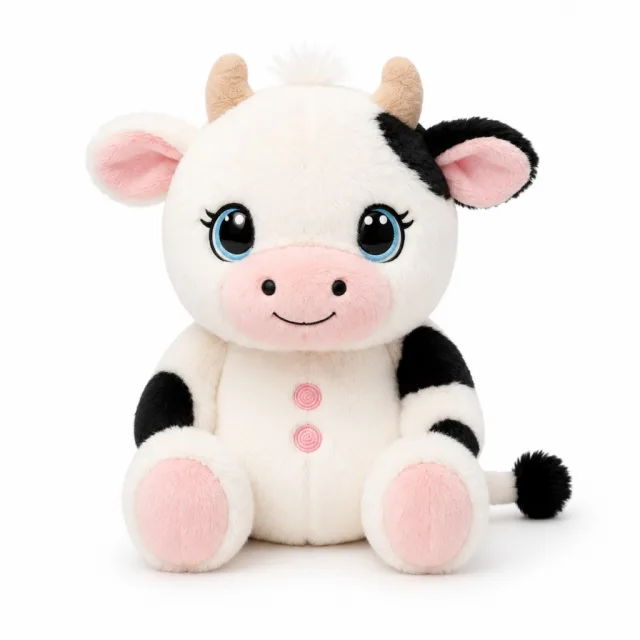
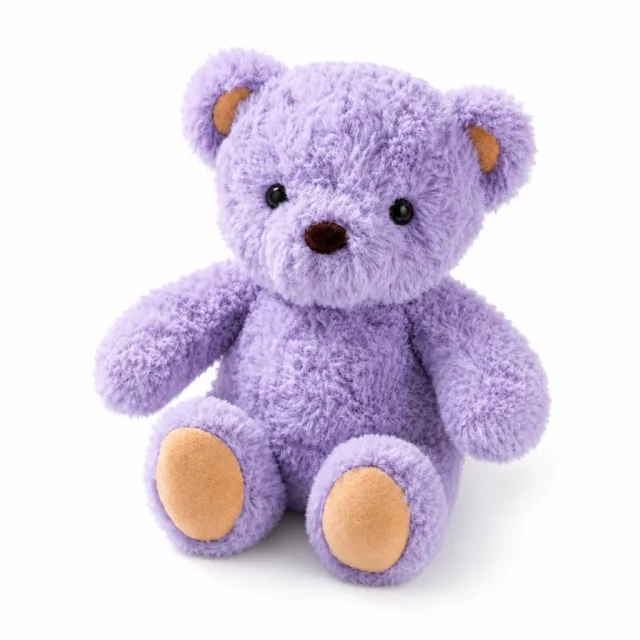
Choose fabrics and construction around the internal system.
Use this resource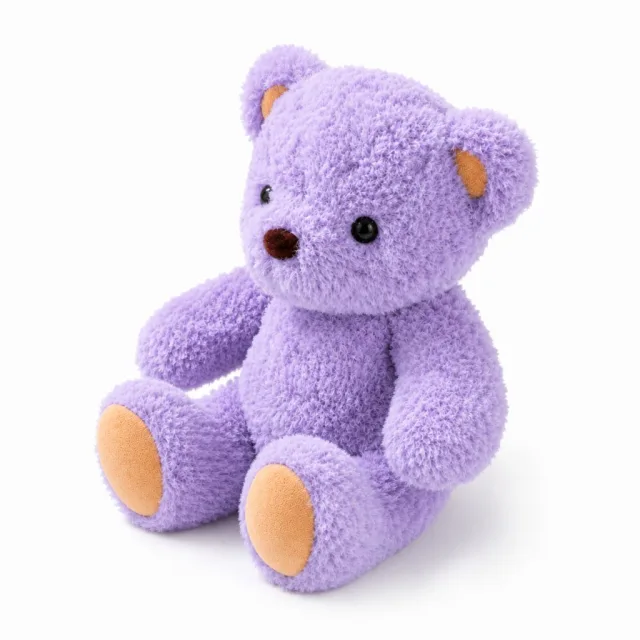
Follow prototype, golden sample, pilot and scale-up.
Use this resourceYes, when the product design supports a secured pocket or access panel. The age grade, connector, battery and cleaning method must be reviewed together.
Placement depends on the body, filling, fabric, intended loudness and microphone location. It should be tested in an early body rather than chosen from a diagram alone.
The team begins from your character views and flags where internal volume, seams, electronics or safety constraints may require controlled adjustments.
The project plan defines where modules are installed, routed and tested, with one golden sample and one final quality plan.
A standard-platform sample may take roughly 7 to 14 days after requirements and files are approved. Custom tooling, electronics, firmware or complex mechanisms receive a project-specific schedule after feasibility.
Your brand, characters, artwork and content remain yours. Ownership of paid custom deliverables is defined in the signed agreement, while Chloe Toys retains its pre-existing tools, reusable technology and manufacturing know-how.
Who we build for
From global retail names to independent studios, these teams trust us with the products they put their name on.





















Common question
Chloe Smart Plush Works handles this as the cross-factory property, using the Chloe Toys owned plush operation for pattern, cut, sew and finishing, and the owned PCB operation for electronics and firmware. One team coordinates the character body, acoustic path, PCB, firmware, sensors, battery access, assembly, testing and packaging. That matters because most smart-plush failures happen between two separate suppliers, where one protects the character and the other optimizes the board. The project ends in one golden sample covering appearance and function, and one quality plan from assembly through pack-out.